Disclosure: ReviewsTrusted may earn commissions from qualifying purchases made through links on this page. Our opinions remain independent and based on our research and evaluation process. Learn more.
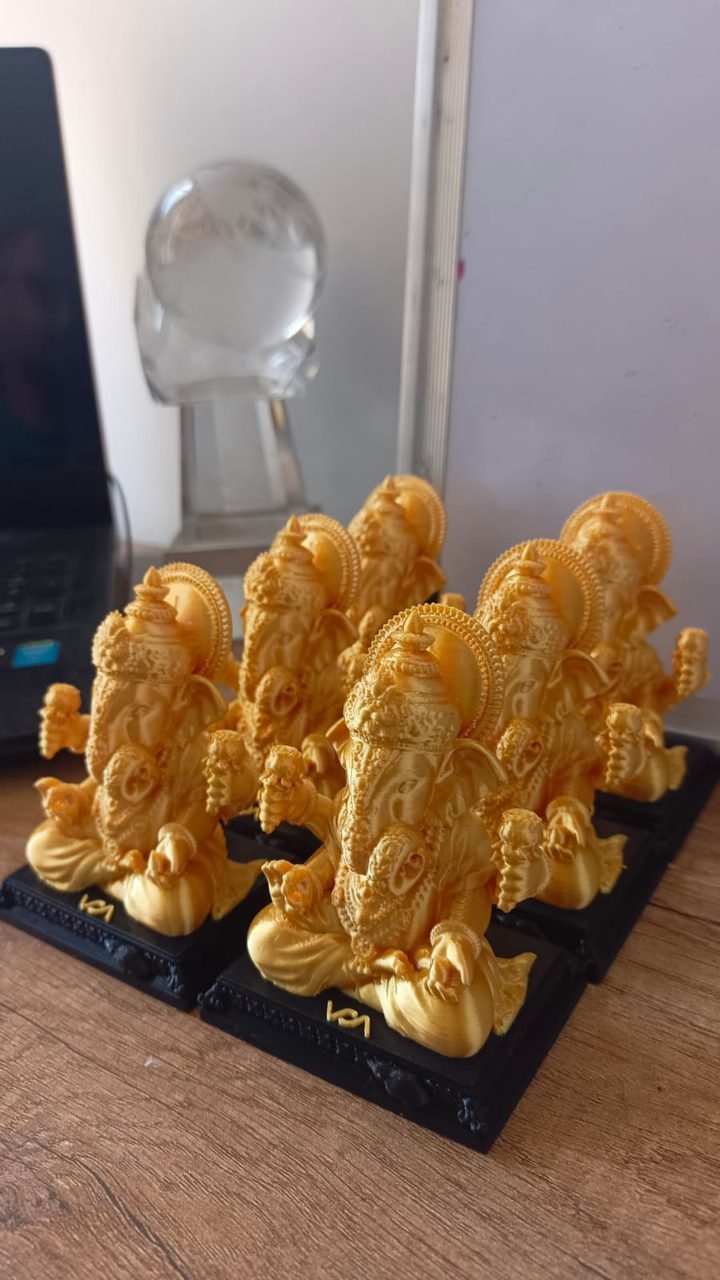
If your main goal is highly detailed miniatures — tabletop figures, busts, display models — the type of printer matters more than the brand. Here's how to choose, and the machines we'd point you to in India.
| What to check | What to aim for (miniatures) |
|---|---|
| Technology | Resin (MSLA) for the finest detail |
| Screen resolution | 8K–16K for crisp small features |
| XY resolution | ~18 µm or finer |
| Build volume | Small is fine for single minis; larger for batches |
| Workflow | Auto-levelling, AI camera, wash & cure |
| Safety | Gloves, mask, ventilation |
Resin (MSLA) printers capture the crisp, fine surface detail that miniatures need — faces, textures, sharp edges — far better than filament. The trade-off is mess: resin needs careful handling, washing, curing and good ventilation. FDM is cleaner and cheaper to run and is great for larger models and terrain, but fine facial detail is harder. For more on this, see our FDM vs resin guide.
The Mars 5 Ultra is the easiest, most affordable way into detailed resin minis. It's compact, fast and produces excellent results for 28mm to 75mm figures.
If you print a lot of miniatures or want larger busts, the Saturn 4 Ultra's bigger plate lets you fit many models in one print. See our full Mars 5 Ultra vs Saturn 4 Ultra comparison to choose between them.
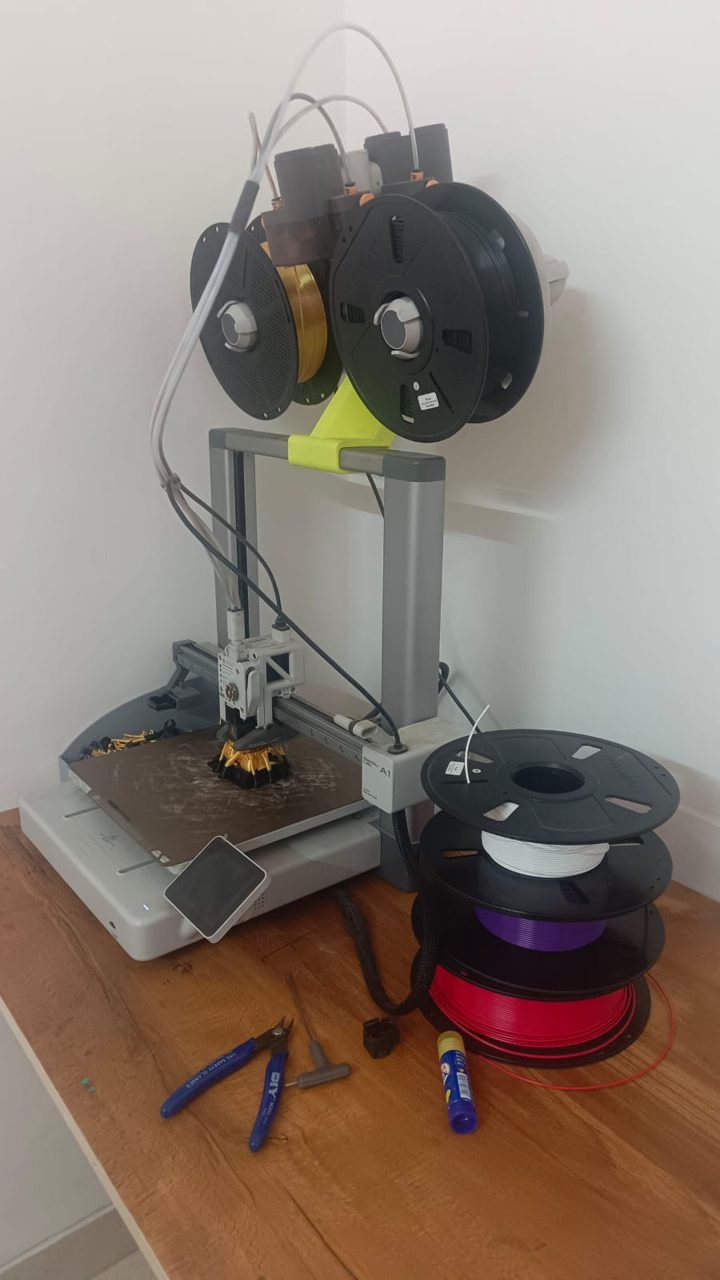
If you'd rather avoid resin's mess, the Bambu A1 mini is the simplest filament printer to live with. It won't match resin on the finest faces, but it's excellent for terrain, larger models and a clean, easy workflow.
Resin or FDM for miniatures?
Resin — it captures the fine detail tabletop miniatures need. FDM shows layer lines that are hard to hide at small scale.
Do I need 12K or 16K for minis?
For 28–32 mm minis, 8K–9K already looks excellent; higher resolution helps most on larger display pieces.
What else do I need besides the printer?
Resin, gloves, a mask, good ventilation, isopropyl alcohol and a wash-and-cure station.
Is resin really better than FDM for miniatures?
For fine detail, yes — resin captures faces, textures and sharp edges far better. FDM is cleaner and cheaper and is fine for larger models and terrain, but struggles with the smallest detail.
What's the best beginner resin printer for minis?
The ELEGOO Mars 5 Ultra is the easiest and most affordable strong choice, with excellent detail for standard tabletop sizes.
Can I print miniatures without resin's mess?
Yes, with an FDM printer like the Bambu A1 mini. Detail on tiny faces won't be as crisp as resin, but it's cleaner and easier and great for larger figures and terrain.
